Showing posts with label General. Show all posts

Saturday, January 5, 2013

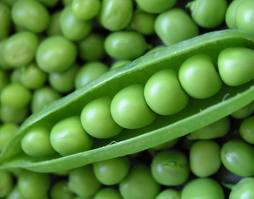
Benefits of Green Fruits and Vegetables

If you are thinking about your family health then stop thinking.  How to keep body healthy and fit. There are many fruits and vegetables are good sources of vitamin, mineral, fiber, calcium and more nutrients. These nutrients are necessary for our body. In your regular diet use green vegetables and fruits. Green dark vegetables are excellent source of nutrients. Health food is food considered to be beneficial to health in ways that go beyond a normal healthy diet required for human nutrition.

What Do We Get from Vegetables and Fruits
1. Good Source of  Nutrient - There are many fruits and vegetables are great sources of nutrients, But Many fruits and vegetables are excellent sources of a wide variety of nutrients, but dark green fruits or vegetables are  most nutrient rich.
2. Calcium - All green vegetables and fruits are very rich in Calcium. Calcium is helpful to the development and the maintenance of bones, teeth and other parts of your body.  Calcium is the most abundant mineral in the human body.
Sources of calcium - Banana, Green leafy vegetables.
3. Fiber - All green vegetables and fruits are good sources of fiber.  Fiber is helpful in digestive system. Eating green fruits and vegetables will help to reduce problem in digestive system.
Sources of Fiber - Broccoli, spinach, cucumber, kiwi, and pears
4. Good Source of Antioxidants -  Green vegetables and fruits  are well stocked with antioxidants. 
Sources of antioxidants -  kale, broccoli, zucchini, cucumbers, and green apples.


5. Vitamin and Minerals - Green vegetables and fruits are rich in Vitamin. Vitamin is most important nutrients. There are different types of Vitamin. Vitamin A is helpful to observe other nutrients like calcium and potassium. Vitamin C is essential for the building up of your immune system.

Benefits of Green fruits and vegetables
1. Leafy vegetables contains the highest antioxidant level per serving among fruits and vegetables. It is the top fighter against free radicals that are responsible for medical conditions including cardiovascular diseases, cancer, mental capacity and aging.
2. Asparagus - It is a good source of vitamins K, C and A. The juice is effective in reducing the blood acidity by cleaning muscle tissues.
3. Protect against cancer disease
4. Protect against heart disease, prevent blood clot and improve blood circulation.
5. It is helpful in digestive system

Tuesday, April 17, 2012

Saving your Teeth with Root Canal Treatment


What is root canal Treatment?

Root canal treatment (RCT) – It is a process to save a rotting, painful or sensitive tooth. 

Need OF RCT: - A number of indications of the need for root canal treatment may be

    1.  Feel pain in a sequence of regular beats
    2.  Sensitivity to hot, cold, sweet and sour foods
    3.  Infection in the teeth bone
    4.  Impulsive pain 

Root Canal Treatment

To remove infected nerve tissue that lies between the root of the tooth. If you do not remove it, your teeth get infected and you would lose it. The dentist removes the pulp and cleaned the root canal and sealed off to protect it.

The first step in a root canal is to obtain access to the nerve. This is accomplished by establishing a small access opening in the top of the tooth. It will be done under a local anesthetic.

 The length of the root canal is determined and the infected pulp is removed.  At the same visit, the canal where the nerve is located will be reshaped and prepared to accept a special root canal filling material. The number of visits necessary to complete your root canal will depend upon several factors including the number of nerves in the tooth, the infected state of the nerve, and the complexity of the procedure.

The final step in your root canal will be the sealing of the root canal with a sterile, plastic material called gutted percha. This is done in order to prevent possible future infection.

If treated early, root canal therapy need not be uncomfortable. With the use of local anesthetics, the entire procedure can be totally painless. 

First Your teeth are opened, and then your root canal is cleaned and shaped.

Cleaning and shaping your root canals

First, your dentist makes an opening in your tooth and removes any fillings and decay. Then your dentist removes unhealthy pulp with tiny, flexible, files. Using delicate, up-and-down motions, your dentist gently cleans and smoothens your canals to prepare them for the canal-filling materials.  

Your root canal is filled with dental materials such as gutta-percha and may be covered with a temporary filling.

Filling your root canals

After the pulp has been removed from your root canals and they have been smoothened, your root canals will be filled. Your dentist may fill the canals with tiny cone-shaped pieces of gutta-percha, a firm, rubber like material, or use another dental material. Sealer cement is used to seal the filling material into vacant place. 

Restoring your Tooth 

Your tooth has been treated fist. After the treatment of inside teeh, the outside will be restored. To protect your teeth underlying structures and gives your tooth a healthy appearance, and if your tooth needs extra support, your dentist may remove some gutta-percha and insert a post before the filling and crown is applied.  Stainless steel or other metal is cemented into your root canal to construct up your tooth after RCT. 

During the filling, typically silver or a tooth-colored dental substance may be used to fill the opening in the top of your tooth. A crown, generally gold or porcelain may be used to cover a tooth that has a large opening after root canal treatment. 

Saturday, January 28, 2012

Tips of Good Health


Introduction - Health and Fitness
How to keep fit our body? Now a days human cannot work physically, so we suffer from mentally pressure.  Always you heard about health and fitness. Now in modern age Fitness and Health is one of the major issue across the world. Easy lifestyle changes our life style. Very less of effort spent on most activities like, travel by motor vehicles, air-conditioned environment, ready-made food stuff.

In old age humans used to hunt for their living, due to which their body had to undergo a lot of physical exercise. Every part of the body was exercised and the intake was more of natural substances. We hardly do any of those. Even a simple 30 mins per day of workouts and one good nutritious meal a day can help improve our health. This easy life has restricted humans to do that bit of physical exercise which is required to keep the body fit and healthy.

Health can make all that difference in one's life. Healthy living is all that one needs, and to achieve that we picked up the best of the articles from reliable sources and have presented here in an organized manner. You might not be able to spend your valuable time on complicated medications and diet controls, but, you can find articles to help you have a better living using simple and easy technic.


How do we ensure that we have all that is required for a healthy living? This is a big question among everyone. We need a fit and healthy body. Good Health is all that one craves for. Becoming healthier and fitter though not very difficult needs dedicated efforts.

Some Tips For Good Health
1.  Do Exercise every day –
      Aerobic Activity
      Bone strengthening
      Muscle strengthening
2.   Far away From mentally Stress
3.   Eat healthy and fresh food.
4.   Keeps away from alcohol
5.   Walk every Morning and evening.
6.   Drink lots of water
7.   Avoid smoking and fast foods.

Tuesday, December 20, 2011

Healthy Body Healthy Mind


The saying “health is wealth” hasn’t just come into existence; these are the words of wisdom, resulted from experience.  There is no such better life without a good health. Health is the most important thing for a better life but still neglected. It is more precious than Gold or Silver. Health is the real wealth. It is great gift given by God.


According M K Gandhi

“The problem with always trying to preserve the health of the body is that it is so difficult to do without destroying the health of the mind.

According Gautama Buddha

“Start now to think only those thoughts that will bring you health and happiness.”

“Healthy Body Healthy Mind” – is a famous Latin passage, regularly translated as "A sound mind in a sound body”. This concept shows relationship between Health, Mind and Body.  Why A Healthy Body Means A Healthy Mind. When the body is healthy, the mind also remains bright and healthy.
“Healthy Body Healthy Mind” – The phrase has come to have a range of meanings. It can be construed to mean that only a healthy body can produce or maintain a healthy mind. Its most general usage is to express the concept of a healthy balance in one’s mode of life.

With increasing work and pressure, change in life style we can’t manage our health. In our busy life style, we often fail to pay attention to keep our body’s health or fitness need. Some point to keep in mind to get healthy body.Some Tips for Healthy Body
  1. Drink a lot of Water
  2. To eat green leafy vegetables 
  3. To eat healthy food
  4. To avoid fast food
  5. Exercise Regularly
  6. Take the Stairs
  7. Think Positive
  8. Avoid Smoking and Drinking

Monday, December 5, 2011

Human Heart - Function

The heart is located inside the human body.  It is one of the most important organs in the entire human body. The heart is a myogenic muscular organ found in all animals with a circulatory system (including all vertebrates), that is responsible for pumping blood throughout the blood vessels by repeated, rhythmic contractions. The heart pumps the blood, which carries all the vital materials which help our bodies function and removes the waste products that we do not need. For example, the brain requires oxygen and glucose, which, if not received continuously, will cause it to lose consciousness. Normal human beings are beating approximately 72 times per minute of our lives.

Hearts is protected by cavity. There are three layers made the wall of the heart.  The cavity is divided into four chambers. Upper chambers are called the right and left atria, and lower chambers are called the right and left ventricles.


Human Heart

1. Left Atrium: The left atrium is one of the four chambers in the human heart. It
receives oxygenated blood from the pulmonary veins, and pumps it into
the left ventricle, via the mitral valve. 


2. Right atrium: The Right atrium  is one of four zin the hearts of mammals (including humans) and archosaurs (which include birds and crocodilians). It receives
deoxygenated blood from the superior and inferior vena cava and the
coronary sinus, and pumps it into the right ventricle through the tricuspid valve. Attached to the right atrium is the right auricular appendix.


3. Left ventricle: The left ventricle is one of four chambers (two atria and two ventricles) in the human heart. It receives oxygenated blood from the left atrium via the mitral valve, and pumps it into the aorta via the aortic valve.

4. Right ventricle: The right ventricle is fourth chambers in the human heart. It receives deoxygenated blood from the right atrium via the tricuspid valve, and pumps it into the pulmonary artery via the pulmonary valve and pulmonary trunk.  It is triangular in shape, and extends from the right atrium to near the apex of the heart. 

Function of Heart:

In mammals, the function of the right side of the heart (see right heart) is to collect de-oxygenated blood, in the right atrium, from the body (via superior and inferior vena cavae) and pump it, through the tricuspid valve, via the right ventricle, into the lungs (pulmonary circulation) so that carbon dioxide can be dropped off and oxygen picked up (gas exchange). This happens through the passive process of diffusion. The left side (see left heart) collects oxygenated blood from the lungs into the left atrium. From the left atrium the blood moves to the left ventricle, through the bicuspid valve, which pumps it out to the body (via the aorta). On both sides, the lower ventricles are thicker and stronger than the upper atria. The muscle wall surrounding the left ventricle is thicker than the wall surrounding the right ventricle due to the higher force needed to pump the blood through the systemic circulation.


More Link:
http://atozhealthtopics.blogspot.com/2011/01/list-of-heart-diseases-symptoms.html
http://atozhealthtopics.blogspot.com/2011/01/list-of-bone-diseases.html

Wednesday, June 1, 2011

Instrument Used To Measure Blood Pressure

The device, which is used to measure blood pressure, is called sphygmomanometer.comprising an inflatable cuff to restrict blood flow, and a mercury or mechanical manometer to measure the pressure

It comprises an inflatable cuff to restrict blood flow, and a mercury or mechanical manometer to measure the pressure.

It is always used in conjunction with a means to determine at what pressure blood flow is just starting and at what pressure it is unimpeded. Manual sphygmomanometers are used in conjunction with a stethoscope.

There are three types of sphygmomanometers:
1. Digital with manual or automatic inflation
2. Digital portable finger blood pressure monitors with automatic inflation
3. Manual

Friday, December 31, 2010

Recipes For Kids And Kid Friendly Recipes

Enjoy with Delicious kid Friendly Recipes

Getting kids to eat healthy at a young age can set them up for a lifetime of healthy habits. It can be quite a struggle to build healthy eating kids in today's world of processed, convenience foods and busy schedules.

Provide your kids what they want to eat--yummy recipes that will have them running to the dinner table! We’ve included kid favorites like chicken fingers, tuna melts, and good old no-bake mac & cheese, but we’ve made them delicious and much healthier! We are teaching kids to eat healthy foods at a young age will help them develop healthy eating patterns for life, so we’ve included recipes with a variety of vegetables, using proteins that are naturally lower in calories and rich in vitamins and minerals. These delicious kid-friendly recipes will help your kids learn to love whole grains (most kids should be eating at least 6 ounces a day!). Calcium-rich recipes to build strong bones.

It's important to remember the life-long gifts you're giving your children when you continue to strive for healthy eating habits.

Recipes for Kids
* Awesome Applesauce
* Banana Bread
* Berry Tasty Muffins
* Blueberry Pancakes
* Confetti Quinoa
* Cream Cheesy Cucumber Sandwiches
* Disappearing Zucchini Muffins
* Fabulous French Toast
* Frozen Yogurt Pops
* Fun Fruit Kabobs
* Garden Chicken Wrap
* Homemade Peanut Butter
* Incredible Edible Veggie Bowls
* Lean Green Pita Dippers
* Oh-So-Delicious Oatmeal
* Peanut Butter Muffins
* Perfect Peachy Freeze
* Perfect Pineapple Pops
* Pizzadillas With Red Sauce
* Pretzels
* Simple Snack Mix
* Southern-Style Cornbread
* Strawberry Smoothie
* Super Strawberry Bars
* Tiny Pizzas
* Yogurt on the Go

Vegetarian Recipes
* Baked Apples and Ice Cream
* Berry Good Muffins
* Black Beans and Rice
* Confetti Quinoa
* Cream Cheesy Cucumber Sandwiches
* Crunchy Veggie Wrap
* Fruity Tofu Smoothie
* Hummus
* Italian Vegetable Casserole
* Lean Green Pita Dippers
* Peanut Butter Bars
* Peanut Butter and Banana Sandwich
* Pizzadillas With Red Sauce
* Spicy Rice
* Spinach Salad
* Strawberry Smoothie
* Tomato and Cheese Omelet
* Vegetable Lasagna
Brain Diseases | Bone Diseases | Cancer |Skin Diseases | Blood Diseases | Respiratory | Eye | Childhood Diseases | Mental Disorders | Mental | Stomach | GIT | Digestive Diseases | Venereal Diseases | Tropical Diseases | Swine flu | Gonorhea | Infectious Diseases | Recipes For Kids | Hepatitis | Aids | STD | Nutrition 
Monday, December 27, 2010

Nutrition, Types of Nutrition, Balanced Diet

What is Nutrition?
Nutrition means nourishment, or aliment, is the supply of materials - food - required by organisms and cells to stay alive.
The entire process by which organism obtain energy from food for growth, maintenance and repair of damaged tissues.

Nutrient – the substances that are required for the nourishment of an organism.

Definition of Nutrition
According to the Web: Nutrition is also called nourishment or aliment. It is the provision, to cells and organisms, of the materials necessary (in the form of food) to support life. Many common health problems can be prevented or alleviated with a healthy diet.
According to the Science: Nutrition is the science or practice of consuming and utilizing foods.

Types of nutrition:-
Two main types:-
1. Autotrophic
2. Heterotrophic

1) Autotrophic Nutrition:

• A process in which organisms synthesise organic substances from inorganic
substances called Autotrophic nutrition.
Example: Photosynthesis and chemosynthesis

• Autotrophic is made up of two words Autotroph and trophos. Autotroph means auto - self, trophos means feed.Organism Which can make their own food are called autotrophic.

• The synthesis of food using light energy – photosynthesis (photo –light)

• Photoautotroph – organisms which produce organic molecules from
carbon dioxide and water using sunlight as a source of energy.
Example:green plant

2) Heterotrophic Nutrition:-

• A type of nutrition in which organism obtain energy through the intake and digestion of organic substances.

• Heterotroph is made of two words Hetero – other and trophos – feed (organism that cannot synthesis their own nutrients but obtain the nutrients from other organisms)
Example:-humans, herbivores, carnivores

Other Types of Nutrition

a) Holozioc nutrition,
b) Saprophytism nutrition
c) Parasitism nutrition

a) Holozioc Nutrition:-
- holo meanslike & zoon means animal
- The organism feeds by ingesting solid organic matter which is subsequently digested and absorbed into their bodies.
- Examples: humans, herbivores,carnivores, pitcher plants and venus plant

b) Saprophytes nutrition:-
The organism feed on dead and decaying organic matter called saprophytes.
- Digest their food externally before absorbing the nutrients into their bodies
- Examples: bacteria, fungi

c) Parasite nutrition:-
The organism obtain nutrient from living on (ectoparasites) or in (endoparasites) the body of another living organism (host) called parasite.

- They absorbs readily digested food from its host.
Examples: fleas (ectoparasites), lice, worms (endoparasites),Rafflesia
plant

What Is The Constituents of Food Nutrition?

Nutrition is necessary for the maintenance of good health. Nutrition of the body means the supply of important nutrients in proper quantity and proportions to the body. Diet is a combination of different kinds of food. No single food can provide each and every nutrient required for the growth and the preservation of the health.

What Is The Balanced Diet?

A balanced diet must contain appropriate quantity and proportions of
Carbohydrate,protein, fat, vitamins, mineral salts and fibre.

There are mainly six costituentes of food:-

1) Proteins:- These are needed for growth and repair.
2) Fats:- These provide a source of energy and contain fat soluble vitamins.
3) Carbohydrates:- This is source of energy.
4) Vitamins:- It is required in very small quantities to keep you healthy.
5) Minerals:- It makes teeth, bones, muscles strong.
6) Water:- Water is the soul of life. Water is the carrier of other food.

1) Proteins

Proteins are complex organic compounds. The basic structure of protein is a chain of amino acids. Proteins are essential for the growth and repair if tissues of the body. They are also called as body building foods. Proteins contain Carbon, Hydrogen, Oxygen, Nitrogen and sometimes Sulphur. Proteins are very large molecules, so they cannot get directly into our blood; they must be turned into amino-acids by the digestive system. Proteins can be used as a source of energy. When excess amino-acids are removed from the body the Nitrogen is excreted as a chemical called urea. The liver makes urea and the kidney puts the urea into our urine.

Function of proteins:-

a) Proteins are the major component of muscles. It is a major part of the skin, muscles, organs, and glands. Protein is also found in all body fluids, except bile and urine. They are used in movement.

b) Proteins help your body repair cells and make new ones. Protein is also important for growth and development during childhood, adolescence, and pregnancy.

c) They serve as enzymatic catalysts, are used as transport molecules (hemoglobin transports oxygen) and storage molecules (iron is stored in the liver as a complex with the protein ferritin)

d) They mediate cell responses (rhodopsin is a protein in the eye which is used for vision)

e) Antibody proteins are needed for immune protection; control of growth and cell differentiation uses proteins (hormones).

f) People need protein for the formation of enzymes and hormones that work together in processes such as metabolism and for our sexual development.

Source of proteins:-

Milk, cheese, meat, fish, eggs, pulses, oil –seeds and nuts are sources of proteins.

Protein Deficiency Diseases

1) kwashiorkor:
A specific wasting away disease caused by protein deficiency due to malnutrition in third world countries is called kwashiorkor. This disease is found in infants who are weaned away. The weaning food is seen to lack proteins or has a poor quality of protein. Protein deficiency is a serious cause of ill health and death in developing countries. Protein deficiency plays a part in the disease kwashiorkor.

War, famine, overpopulation and other factors can increase rates of malnutrition and protein deficiency. Protein deficiency can lead to reduced intelligence or mental retardation

Symptoms of kwashiorkor:- It includes apathy, diarrhea, inactivity, failure to grow, flaky skin, fatty liver, and edema of the belly and legs.

2) Marasmus
Marasmus is another condition of a wasting away of the body tissues from the lack of protein in the diet. Protein deficiency also inhibits the growth and proper development in children.

Symptoms of Marasmus:-In marasmus the child is fretful rather than apathetic and is skinny rather than swollen with edema.

Marasmic kwashiorkor:-It has symptoms of both Marasmus as well as kwashiorkor diseases,called as marasmic kwashiorkor.

Protein deficiency also causes numerous problems like loss of weight, weakness, shrinkage of muscle tissue and edema. Other syndromes include unusually low blood pressure, unusually low heart rate, anemia and pigmentation on the skin. The metabolism rate is also likely to decrease.

2.) Fats:-

Fats contain the elements Carbon, Hydrogen and Oxygen. Fats gives heat and energy. The uses of fats add taste to the food and make the food palatable. A person who does a lot of physical work daily needs more fats.

Sources of fats :- vegetable oil, butter, ghee, olive oil ad groundnut oil.

3) Carbohydrates

Carbohydrates give energy on which all the activities of the life are dependent. They are also known as energy yielding foods. Foods rich in carbohydrates are essential for the persons who are engaged in manual work.

Sources of Carbohydrates :- Rice, wheat, maize, potatoes, barley, sugar and syrups are rich in carbohydrates.

4) Vitamins and Minerals

Foods rich in vitamins and minerals are termed as protective foods. Vitamins help in keeping our eyes, bones, teeth and gums healthy. Minerals help in the formation of blood, bones and teeth. They protect us against diseases.
Sources of vitamins and minerals:- Fruits, vegetables, milk meat, eggs, fish, liver, oil and hand polished rice.

Vitamins are divided into two categories:-

1) Fat soluble:- The fat-soluble vitamins — A, D, E, and K — dissolve in fat and can be stored in your body.

2) Water soluble:- The water-soluble vitamins — C and the B-complex vitamins (such as vitamins B6, B12, niacin, riboflavin, and folate) — need to dissolve in water before your body can absorb them.

Below is a table of the main vitamins required in a balanced diet, their source, function and typical symptoms of deficiency.

Vitamin Function Deficiency Symptoms Source
A Constituent of visual pigment. maintenance of epithelia. Poor vision. Night blindness. Dry skin. Defective epithelia lead to infections of skin, respiratory, urinary, and digestive tracts. Dairy produce. Fish liver oils. Yellow and Green vegetables.
C Maintains intercellular substances, i.e. between cells, connective tissue matrix. Scurvy, fragile capillaries, small haemorrhages under skin and gums, slow healing of wounds. Citrus fruits.
D Calcification of bone, calcium absorption. Rickets, mainly in children. Soft deformed bones, Bone demineralisation in adults. Eggs, Fish liver oils.
E Antitoxin that protects cell membranes. Possibly anaemia. Widely found. Vegetable oils, Green vegetables.
K Blood clotting. Prolonged blood clotting time. Green leafy vegetables, widely distributed in small amounts and also synthesised by intestinal bacteria.
Essential fatty acids Components of cell membranes, precursors of prostaglandins . Skin sores, renal damage, mental changes. Widely found. Required in small amounts.

Brain Diseases | Bone Diseases | Cancer |Skin Diseases | Blood Diseases | Respiratory | Eye | Childhood Diseases | Mental Disorders | Mental | Stomach | GIT | Digestive Diseases | Venereal Diseases | Tropical Diseases | Swine flu | Gonorhea | Infectious Diseases | Recipes For Kids | Hepatitis | Aids | STD | Nutrition